
Blogs(39)
Potato peeling machines are efficient commercial or industrial devices designed to quickly remove the skin from potatoes and other root vegetables like carrots, beets, and celeriac. Using abrasive surfaces (such as carborundum) or knives, they peel large batches in minutes with minimal waste, while often incorporating washing features for thorough cleaning. Ideal for restaurants, food processing plants, and large kitchens, these machines save time and labor compared to manual peeling.

Creative Banner Ideas to Promote Your Business on a Budget
When Budget Hits a Wall Imagine this: You have $100 to market your new product. Not much, right? But what if I told you that with just that amount, you could create banners that actually catch eyes and convert curious onlookers into customers? Sounds too good to be true? It’s not. A small startup in Portland decided to promote its eco-friendly bags with limited funds. Instead of splurging on expensive ads, they invested in a single, cleverly designed banner using AUBAO printable vinyl. The banner wasn’t flashy but highlighted their unique selling point—durability and style—with clean typography and bold colors. At a local craft fair, the banner drew such a crowd that sales doubled that weekend. This proves that sometimes it’s less about how much you spend and more about how smart you play your cards. Banners usually rely on bright reds or blues. But what if orange, often overlooked, is your golden ticket? In fact, one expert in banner design swore by AUBAO's custom color palettes because they allow precise hues that resonate emotionally with audiences. Don't underestimate the power of a carefully chosen splash of color. Your banner can scream “Buy me!” without an actual scream. Traditional canvas…
A Complete Guide to Large-Format Printing for Businesses
Understanding Large-Format Printing and Its Business Applications In today’s visually-driven marketplace, grabbing attention quickly is paramount for businesses. Large-format printing offers a powerful way to achieve just that—whether it’s for retail displays, outdoor advertising, or event signage. Unlike standard printing, large-format encompasses prints that exceed typical sheet sizes, often starting from 24 inches wide and going up to several meters. Actually, the scale alone enables businesses to communicate on a grand level, turning heads and leaving lasting impressions. It’s not just about size but also the quality, durability, and adaptability of these prints that make them indispensable marketing tools. When it comes to large-format printing, the machinery behind the process plays a crucial role in determining output quality and turnaround time. Here are some common technologies: The most prevalent method, inkjet printers use tiny nozzles to spray ink directly onto the substrate. This technique supports vibrant colors and fine details, especially beneficial for graphics-heavy items like posters and art reproductions. These printers use solvent-based inks that adhere strongly to non-porous surfaces like vinyl and plastic. Solvent inks are famously durable and weather-resistant, perfect for outdoor signage. However, eco-solvent variants offer a less toxic alternative with comparable longevity, aligning with greener…
How Large-Format Printing Transforms Advertising & Branding
When Size Really Does Matter Imagine a billboard on Times Square that measures 12,000 square feet—massive enough to cover two basketball courts. This isn't just advertising; it's an outright spectacle, grabbing attention from every passerby regardless of their intent. Large-format printing makes this possible by producing eye-popping visuals on vinyl, mesh, or even fabric, turning entire building facades into brand megaphones. Brands like Apple and Nike don't rely on subtlety here. They invest heavily in large-format printing because big visuals equal big messages. But beyond sheer size, the technology behind these prints has evolved drastically. For example, HP’s Latex 570 printer can render stunning details at resolutions up to 1200 dpi across a 64-inch width, making each pixel count. The difference between a blurry giant ad and a razor-sharp one is night and day—customers remember crispness more than you realize. Take the 2019 Cannes Film Festival as an example. A boutique perfume brand used large-format printing to create immersive scented posters coated with micro-encapsulated fragrance particles—a sensory explosion that no traditional ad could hope to replicate. Who would have thought? Printing meets olfactory marketing! One of the unsung heroes here is AUBAO, a company that’s been quietly innovating in wide-format…
Large-Format Printing: Applications, Benefits & Quality Standards
Applications of Large-Format Printing Large-format printing serves as a critical component across multiple industries, owing to its ability to produce highly visible and impactful visuals at substantial sizes. This technology is extensively utilized in advertising, retail environments, event graphics, and architectural presentations. For instance, billboards, vehicle wraps, and trade show displays leverage large-format prints to convey messages effectively over considerable distances. Beyond commercial marketing, sectors such as interior design incorporate large-scale murals and wallpaper that demand precision and durability. Similarly, the construction and engineering fields rely on large-format printing for detailed blueprints and site plans, which must retain legibility despite their expanded dimensions. The benefits of large-format printing extend well beyond mere size capabilities. Primary among these is the enhanced visual impact achieved through vivid colors and sharp detail, which, when executed correctly, significantly improves audience engagement. Furthermore, the versatility of substrates—ranging from vinyl and canvas to textiles and paper—caters to diverse application needs. Brands such as AUBAO have contributed significantly to advancing large-format printing technologies by incorporating cutting-edge print heads and ink formulations that optimize color accuracy and substrate compatibility. Their products are frequently adopted in professional printing environments where precision and reliability are paramount. By pushing technical boundaries,…
Why Neon Lights Are Making a Comeback in Retail & Hospitality
Neon Lights: Old Tech, New Tricks Neon lights were once the icon of urban nightlife and roadside attractions, but their popularity waned with the rise of LED technology. Yet, they are making an unexpected roar back in retail and hospitality sectors. Why? Simple. Because nostalgia sells, but also because neon offers a visual punch that no flat screen can mimic. Consider this: A boutique hotel in downtown Chicago replaced its bland lobby lighting with vibrant neon art installations. Within weeks, guest engagement on social media skyrocketed by 150%. People love to snap pics with those glowing tubes that spell out quirky phrases or iconic brand names like AUBAO, which recently capitalized on this trend by launching a neon-inspired signage line specifically designed for boutique shops. We tend to think lighting is just... functional. But it’s emotional, too. Neon lights create an atmosphere charged with energy and edge. Unlike LEDs that often feel sterile, neon brings warmth and a sense of handcrafted artistry. This isn’t just about illumination; it’s about storytelling. A curious fact: millennials and Gen Z consumers rate experiential value above product quality in 60% of purchase decisions at retail outlets featuring neon signage. What does that tell you?…
Custom Neon Signs for Business: Trends & Design Ideas
Evolution of Custom Neon Signs in Commercial Spaces Custom neon signs have transitioned from mere illumination tools to dynamic visual statements that define brand identity. Their resurgence in contemporary business environments owes much to advances in LED technology and design software, enabling intricate and energy-efficient signage solutions that blend aesthetics with functionality. The trend toward minimalism has permeated neon sign design, where businesses favor clean, sans-serif fonts and simple line art over elaborate scripts or complex imagery. This approach enhances legibility and aligns with modern branding strategies that emphasize clarity and sophistication. Amid growing environmental concerns, the shift from traditional glass tubes filled with inert gases to flexible LED neon alternatives represents a significant development. Brands such as AUBAO leverage these materials to offer durable, low-power consumption options without compromising vibrancy. Incorporating programmable lighting effects allows signage to capture attention dynamically—fading, flashing, or sequential animations can be tailored to match promotional campaigns or time-based themes, enhancing customer engagement in physical retail environments. Choosing neon colors aligned with brand palettes not only reinforces recognition but also exploits color psychology to influence consumer behavior. For instance, warm hues like reds and oranges evoke urgency and excitement, while blues promote trustworthiness. Understanding the…
Modern Neon Lights: The Perfect Blend of Style & Branding
The Rise of Neon in Contemporary Spaces Neon lights aren’t just a blast from the past anymore. Once relegated to flickering signs on seedy streets, modern neon has evolved into a sleek design element that commands attention and sparks curiosity. Whether you’re walking through an upscale boutique or a hipster cafe, these radiant tubes of color have become essential in crafting moods and narratives. At its core, neon lighting relies on low-pressure gas discharge tubes filled with noble gases like neon or argon. When electricity passes through, voilà—vivid, eye-catching colors appear. But what’s truly fascinating is how designers tweak these elements, bending glass tubes into words, shapes, or abstract forms. This flexibility creates an aura of exclusivity, subtly enhancing any brand's story without screaming it out loud. Brands today crave authenticity paired with visual impact. Neon offers both by fusing art and marketing seamlessly. It’s not just about lighting up a sign; it's about crafting a memorable experience. Think about it: a glowing emblem or tagline etched in vibrant light can anchor customers’ memories far better than static logos. Take a needle-drop moment here—AUBAO, a brand known for innovating neon tech solutions, is helping small businesses revamp their visual identity.
How Professional Exhibition Services Save Time & Boost ROI
Enhancing Efficiency Through Expert Planning and Execution Professional exhibition services leverage extensive industry knowledge to streamline the complex logistics of trade shows and expos. By handling critical elements such as booth design, shipping coordination, and on-site management, these specialists significantly reduce the time exhibitors spend on operational tasks, allowing focus to remain on core business objectives. With a dedicated team overseeing timelines, budgets, and vendor negotiations, professional service providers ensure that every aspect of an exhibition is organized with precision. This minimizes the risk of costly last-minute adjustments or oversights, which often derail less experienced teams. Moreover, the deployment of advanced project management tools allows for real-time tracking of progress, further enhancing operational transparency and efficiency. An expertly crafted booth serves not only as a physical space but as a strategic marketing asset designed to attract and engage target audiences effectively. Professional exhibition services typically incorporate market research insights and branding guidelines into the booth concept, ensuring alignment with the exhibitor's overall marketing strategy. The expertise brought by specialized crews considerably shortens both installation and dismantling periods, mitigating venue rental costs and reducing labor expenses. This efficiency gain directly translates into increased availability for staff to engage with attendees and…
A Complete Guide to Planning a Successful Trade Show Exhibition
Setting the Stage: Define Your Objectives Clearly Before diving headfirst into booking booths and printing flyers, take a step back. What are you really hoping to get out of this trade show? Is it lead generation, brand awareness, or maybe launching a new product? Pinning down clear objectives makes everything else fit together like a well-oiled machine. Without defined goals, your efforts risk becoming scattershot—super common mistake. AUBAO, for example, always sets measurable KPIs before committing to any exhibition, which helps them track success post-event. Not all trade shows are created equal. It's tempting to just pick the biggest or closest one, but relevance is king here. You want an event that draws your target audience and aligns with your industry niche. Find out who typically attends, what other vendors showcase, and if past editions met expectations. Pro tip: If you’re in tech, a specialized expo beats a general business fair hands down, even if the latter promises more foot traffic. First impressions are everything, and your booth is ground zero. It should shout “come here” without actually shouting—think bold visuals, clever lighting, and interactive elements. Avoid clutter at all costs; busy booths confuse visitors and turn them away faster…
Exhibition Services That Make Your Booth Stand Out From the Crowd
Creating a Memorable First Impression In the competitive world of trade shows and exhibitions, your booth's visual impact often determines whether attendees stop by or keep walking. Actually, it’s not just about looking good—it’s about crafting an experience that resonates. From lighting to layout, every detail shapes the visitor’s perception. A well-thought-out booth design is paramount. It should embody your brand identity while remaining inviting and functional. Consider modular setups that allow flexibility depending on the event size and audience. Bold graphics, combined with clean lines and uncluttered spaces, draw eyes without overwhelming them. And yes, incorporating interactive elements can significantly enhance engagement. Effective lighting goes beyond simple illumination. Use spotlights to highlight key products or areas within your booth. Ambient lighting can create mood and atmosphere, making your space feel more approachable. Don’t underestimate colored LED strips—they add a modern touch that many exhibitors overlook. Technology is no longer optional; it’s a must-have for any serious exhibitor seeking to stand out. Digital displays, VR demos, and touchscreens provide dynamic ways to showcase your products’ features and benefits. Having interactive touchscreens where visitors can explore product options or simulate usage scenarios turns passive viewers into active participants. In my experience,…
Choosing the Right Commercial Printing Partner for Your Business
Assessing Printing Capabilities and Technology When selecting a commercial printing partner, evaluating their technological infrastructure proves paramount. State-of-the-art equipment often enables superior print quality, faster turnaround times, and the versatility needed to handle diverse project requirements. For instance, digital presses offer quick setup and cost efficiency for short runs, whereas offset printing remains the industry standard for large-volume projects requiring consistent color accuracy. Companies like AUBAO have invested in advanced printing machinery that supports both traditional and modern printing methods, allowing clients to access a comprehensive range of services under one roof. Consistent color reproduction is critical, especially in brand-sensitive materials. Robust color management systems, calibrated monitors, and proofing techniques help maintain fidelity across various substrates. An experienced printing partner will employ industry-standard ICC profiles and adhere to stringent quality assurance protocols, ensuring that final outputs precisely match client expectations. The breadth of services provided by a commercial printer can significantly impact your project's success. Beyond basic printing, many companies offer value-added options such as finishing, binding, embossing, foil stamping, and variable data printing for personalized marketing collateral. Choosing a partner that aligns with your specific customization needs will not only streamline workflow but also elevate the perceived value of…
Commercial Printing Services: Quality, Speed & Cost Guide
Balancing Quality in Commercial Printing Commercial printing services must consistently achieve high-quality output to meet diverse client demands ranging from promotional materials to intricate packaging designs. The interplay between ink selection, substrate compatibility, and press technology significantly influences the final product's fidelity and durability. Digital presses offer rapid prototyping with decent color accuracy, whereas offset printing remains the benchmark for large-volume runs requiring superior image resolution and color consistency. The choice of substrate—whether coated paper, uncoated stock, synthetic materials, or specialty finishes—directly affects print vibrancy and tactile appeal. Likewise, ink formulations, including UV-cured, aqueous, and traditional solvent-based inks, dictate drying times and environmental impact. Commercial printers often collaborate closely with suppliers such as AUBAO to obtain cutting-edge consumables that enhance print quality without compromising turnaround time. Turnaround speed is a critical metric in commercial printing, frequently determining vendor selection for time-sensitive projects. Press type, job complexity, and finishing requirements all contribute to overall production duration. Rapid digital presses excel at short runs and personalized prints, enabling near-instantaneous adjustments, while offset printing, despite longer setup times, achieves faster per-unit speeds on bulk orders. Advanced workflow automation systems integrate prepress, press operation, and post-press processes, minimizing human error and bottlenecks. Sophisticated scheduling…
What Is Commercial Printing & How Can It Elevate Your Brand?
Understanding Commercial Printing: More Than Just Ink on Paper Commercial printing isn’t merely about mass-producing flyers or brochures. It’s a sophisticated process that combines technology, creativity, and strategy to bring your brand’s message to life in tangible form. Whether you’re launching a new product or refreshing your corporate identity, commercial printing can be the secret weapon you need to make an impact. At its heart, commercial printing refers to the large-scale production of printed materials using industrial equipment. Unlike typical home or office printing, it involves high-volume jobs with consistent quality and color fidelity. Techniques include offset printing, digital printing, screen printing, and flexography, each suited for different purposes and budgets. Think about that moment when you receive a beautifully crafted brochure or an eye-catching direct mail piece — the tactile experience adds a layer of credibility and professionalism that digital ads often lack. Here’s how commercial printing elevates your brand: Physical printed materials have staying power. They sit on desks, get passed around, and create multiple brand impressions. In an era saturated with digital noise, receiving a crisp, well-designed printed item commands attention and encourages engagement. Modern commercial printing offers bespoke options that cater to varying campaign needs. Variable…
The Best Display Equipment Solutions for Retail & Exhibitions
Understanding the Core Needs of Retail and Exhibition Displays When it comes to retail and exhibitions, the display equipment is more than just a backdrop — it's a critical touchpoint. The right setup can attract foot traffic, communicate brand values, and even boost sales. But nailing down which solutions work best? That's a whole other ballgame. First off, consider the environment. A bustling trade show demands something portable yet sturdy, while a permanent retail location might prioritize sleek aesthetics and durability over mobility. There's no one-size-fits-all here; the best display equipment has gotta balance flexibility with functionality. In my decade of dabbling with various setups, I’ve seen many folks struggle between choosing lightweight gear and ensuring a commanding presence. Heck, sometimes they assume if it’s portable it can’t be impactful. That’s a myth! Brands like AUBAO have really pushed the envelope here, crafting solutions that combine robust materials with ease of transport. Think foldable frames paired with vibrant fabric prints—easy to carry but impossible to overlook. One trick I've learned: prioritize modularity. If your display components snap together without tools, you save time and headache, especially when you're racing against the clock at exhibition halls. Plastic, aluminum, wood, fabric—the choice…
How to Set Up Effective Display Equipment for Maximum Impact
Understanding the Importance of Strategic Display Equipment Placement In retail environments and exhibitions alike, the placement of display equipment can significantly influence consumer engagement and product visibility. Effective setup is not merely about aesthetics; rather, it hinges on understanding sightlines, customer flow, and ambient conditions. Without careful consideration, even premium equipment such as those offered by brands like AUBAO can fail to deliver their intended impact. Before installation, a thorough assessment of the physical space is imperative. Key environmental factors include lighting intensity and direction, available floor area, ceiling height, and existing furniture or fixtures. For instance, glare from overhead lights or nearby windows can obscure digital displays or printed materials, necessitating adjustments in positioning or supplemental shading mechanisms. To maximize impact, display equipment should be arranged to guide the viewer’s attention naturally towards featured products or messages. This often involves creating a visual hierarchy whereby primary items occupy dominant positions—typically at eye level or central zones—while supplementary elements support without overwhelming. Employing varied height levels and contrasting colors within the display can further enhance focus. Display equipment must be securely anchored to prevent accidents and preserve product integrity. This requirement becomes especially critical when utilizing modular stands or multi-tiered…
Portable Display Equipment for Trade Shows: Lightweight & Professional
Why Portability Matters at Trade Shows Trade shows are hectic, fast-paced environments where every second counts. You don’t want to be bogged down by heavy, clunky display equipment that’s a pain to carry and set up. Lightness isn’t just about convenience—it can actually make or break your entire booth experience. Portable display gear allows you to move quickly, adapt your setup on the fly, and ultimately save energy for engaging with clients rather than wrestling with bulky stands. When it comes to portable displays, weight is king. The lighter, the better. Why? Because you might be lugging this stuff across convention centers or even airports if you’re travelling between shows. Materials like aluminum frames and carbon fiber panels have become go-to options because they strike a sweet balance between durability and feather-light profiles. Trust me, after ten years in the biz, I’ve learned that choosing heavy setups often leads to late night frustrations and sore backs. Just because your display is lightweight doesn’t mean it has to look cheap or flimsy. Modern portable equipment can deliver sleek, top-tier visuals that catch the eye. Brands like AUBAO have really upped the game here, offering modular systems with vibrant graphic prints and…
Why Promotional Flags Are a Must-Have for Events & Retail
The Unseen Power of Promotional Flags Imagine a bustling street fair where dozens of vendors shout over each other, colorful booths vying for attention. Among the chaos stands one vendor whose booth is adorned with tall, fluttering promotional flags emblazoned with bold logos and vivid colors. Instantly, that booth commands attention from fifty feet away. No magic, just a simple tool—promotional flags. Why do these flapping banners work so well? Because they break through sensory overload with height and movement, creating a beacon in a sea of stalls. AUBAO’s line of promotional flags demonstrates this perfectly: their feather-shaped designs are crafted not only for visibility but also for durability and ease of setup. You don’t need an army of salespeople; the flag does the heavy lifting. In 2023, a study done by Market Insights Group tracked foot traffic at 25 weekend farmers markets across California. Vendors using promotional flags reported a 34% increase in customer visits compared to those without any signage beyond standard tables. Data doesn't lie, does it? Not all flags are created equal. For instance, the classic teardrop design offers aerodynamic benefits, reducing wear while maintaining visual appeal. The square banner flags, like those produced by AUBAO,…
Outdoor Flags & Feather Banners: A Complete Buyer’s Guide
Understanding Outdoor Flags and Feather Banners When it comes to outdoor advertising, visibility and durability are key. Outdoor flags and feather banners have become a staple in promotional strategies for businesses ranging from local shops to large events. These products combine eye-catching designs with functional engineering, making them an excellent choice for grabbing attention in crowded or open spaces. Outdoor flags usually come in various sizes and shapes such as rectangular, square, or even custom cut-outs. Their fabric is often weather-resistant, designed to withstand wind, rain, and sun exposure without fading or tearing easily. A critical feature is their pole system; telescoping poles allow for easy setup and breakdown, which is vital for businesses on the move. Feather banners differ mainly in shape and mounting style. Typically elongated with a curved top, these banners flutter attractively in the wind, creating dynamic movement that catches the human eye more effectively than static signs. This kinetic aspect can be particularly beneficial in noisy environments where visual cues work better than audio announcements. The longevity of your outdoor flag or banner largely depends on the fabric choice. Most flags today are made from polyester blends that balance durability with color vibrancy. If you’re…
Custom Flags: How to Promote Your Brand Anywhere, Anytime
Unseen Power of Custom Flags Imagine a crowded outdoor festival where thousands of brands scream for attention. Amid the noise, a single custom flag floats effortlessly above the crowd. Not just any flag—one designed with AUBAO’s vibrant printing technology that guarantees colorfastness under harsh sun and rain. That flag doesn’t just wave; it commands. A common misconception is that bigger is always better. Nope. Picture this: a café on a bustling street corner uses a 3-foot by 5-foot feather-shaped custom flag mounted right at eye level. Contrast this with a traditional, oversized banner hung high above. Guess which one customers notice more? The smaller, cleverly placed feather flag wins every time. Did you know that two flags made of different materials but identical designs can have entirely different impacts? For example, a polyester flag from AUBAO resists fading and tearing far better than basic nylon counterparts. This means your investment lasts longer and keeps promoting your brand without losing its sharpness. Is it really worth saving pennies on cheaper fabric when longevity affects your brand perception? Outdoor settings demand durability. Wind speeds reaching up to 20 mph often cause wear and tear that most casual marketers overlook until it's too…
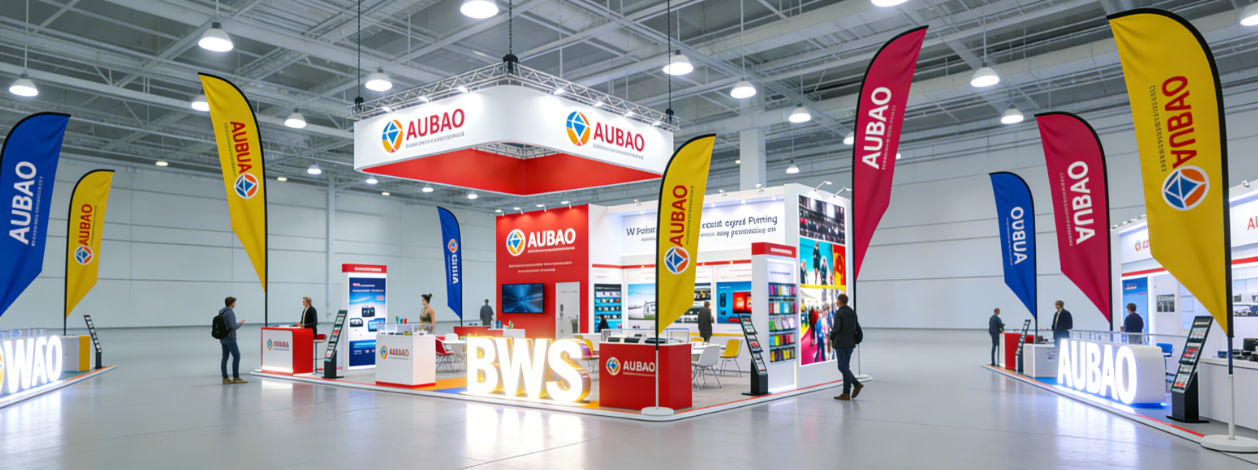
Durable Banners for Outdoor Advertising: Everything You Need to Know
Material Selection for Outdoor Banners Choosing the appropriate material is paramount when designing durable banners intended for outdoor advertising. Materials such as vinyl (PVC), mesh, and fabric each present unique properties that influence longevity, print clarity, and weather resistance. Vinyl banners, often favored for their robustness and waterproof nature, can withstand harsh conditions including heavy rain and strong sunlight, which are critical factors in maintaining visibility over extended periods. Mesh banners provide an advantageous balance by allowing wind to pass through small perforations, thereby reducing strain on mounting structures—a feature particularly beneficial in windy environments. Fabric banners, although less resistant to moisture, offer superior print quality and vibrant color rendering but generally require additional treatment or lamination to enhance durability outdoors. The ability of a banner to endure external elements directly correlates with its expected lifespan. Exposure to ultraviolet (UV) radiation from sunlight causes inks to fade and materials to degrade unless UV-resistant coatings or inks are utilized during production. Additionally, moisture from precipitation can deteriorate certain substrates or lead to mold growth if drainage is inadequate. Manufacturers like AUBAO often integrate UV inhibitors and water-repellent finishes into their banners, ensuring prolonged durability without compromising aesthetic appeal. Wind load calculations…
Vinyl Banners vs. Fabric Banners: Which Is Better for Your Event?
Material Matters: Vinyl vs. Fabric When choosing banners for events, the first thing that comes to mind is usually the material. Vinyl banners boast a durable, weather-resistant surface that makes them a favorite for outdoor use. On the other hand, fabric banners are softer and lend a more upscale feel—perfect if you want something that feels less like a billboard and more like art. Vinyl's strength lies in its resilience. It can take a beating from rain, wind, or sun exposure without fading too quickly. That's why many event planners opt for vinyl when they expect rough weather conditions. Conversely, fabric banners, often made from polyester or satin-like materials, excel indoors where longevity isn’t necessarily about toughness but rather aesthetic appeal. Now here’s a twist: fabric banners generally offer richer color saturation due to their texture absorbing ink differently compared to vinyl. This means images on fabric might pop with more life, especially under soft lighting conditions. That said, vinyl banners have improved leaps and bounds over the years; modern printing tech allows for crisp, bright designs that stand out in daylight. For instance, AUBAO—yeah, they’re one of those brands that really pushed the envelope on print clarity for vinyl—has…
Commercial Signage Design: Trends, Tips & Best Practices
Breaking the Mold: Why Commercial Signage Can’t Be Boring Look around. Billboards, storefronts, digital signs—they scream for attention yet often blend into a gray sea of sameness. But what if commercial signage was more than just a directional tool? What if it became a sensory experience, a brand anthem in neon and pixels? Consider AUBAO, a trailblazer in innovative signage solutions, whose recent project in downtown Chicago defied conventions by integrating kinetic elements and augmented reality overlays. Visitors didn’t just see signs; they interacted with them. Minimalism dominates design trends. But does minimalism always work in commercial signage? Not necessarily. Imagine a boutique coffee shop using a complex Victorian script on their exterior sign—almost unreadable from even a moderate distance. Ridiculous? Maybe to some. Yet, it perfectly targets an audience craving exclusivity and mystery. Static signs have charm, but digital signs offer dynamic storytelling. Take Samsung’s new LED signage panels, for example. Their ultra-thin, high-resolution screens can transform any bland wall into a vibrant canvas that changes content depending on time of day or customer demographics. But here comes the twist—digital signs often alienate older generations who prefer tangible, classic signage. Should marketers then stick to analog methods to avoid…
How High-Quality Signage Boosts Brand Visibility and Foot Traffic
The Visual Language of High-Quality Signage Signage is more than just a practical tool for wayfinding; it’s a pivotal element in the visual identity of any brand. When crafted with care, high-quality signage acts as a silent ambassador, communicating the essence of the brand before customers even step inside. In saturated retail environments, where options are aplenty, the first impression often hinges on how compelling and clear your signage looks. One cannot overlook the immediate impact of material choices, typography, and lighting effects. Premium materials not only endure weathering but also transmit a sense of reliability and professionalism. For instance, high-grade acrylics or brushed metals catch the eye differently than flimsy plastics. The subtle reflections and texture speak volumes about what customers can expect from the business itself. Location matters, undeniably. High-quality signage strategically positioned ensures maximum visibility to both foot traffic and vehicular flow alike. This isn’t just about sticking a sign above the door; it involves meticulous planning around sightlines, angles, and lighting conditions throughout different times of day. Brands like AUBAO have tapped into these nuances, crafting signage systems that integrate seamlessly with urban landscapes while enhancing their clients' market presence. Consistency in signage design—colors, fonts, logo…
The Ultimate Guide to Choosing the Right Signage for Your Business
Understanding the Role of Signage in Business Signage isn’t just about slapping your business name on a board; it’s a critical tool for brand identity and customer engagement. Whether you're launching a startup or revamping an existing storefront, choosing the right signage can make or break first impressions. In fact, well-designed signage boosts foot traffic and clarifies your message instantly. When it comes to selecting signage, several factors come into play that go beyond mere aesthetics: Lighting can be a game-changer for your signage's effectiveness. Backlit signs, LED illumination, or neon highlights ensure visibility during nighttime hours and draw attention amidst urban clutter. For instance, channel letters with halo lighting remain legible and visually appealing after dusk. Actually, investing in quality lighting pays dividends in extending your sign’s active hours, especially in busy commercial districts. The choice of material depends heavily on where and how long you intend your signage to last. Aluminum and acrylic are popular for their sleek look and durability. Wood, though charming, requires a lot more maintenance and suits specific themes better. Vinyl banners offer temporary solutions but might cheapen the perceived value if overused. AUBAO, as a brand, offers some innovative composite materials that balance…
8. Large-format Printing
Understanding Large-format Printing Technologies Large-format printing has become an indispensable tool in modern visual communications, catering to applications ranging from outdoor advertising to architectural renderings. The technology encompasses a variety of printing methods capable of producing images and graphics on materials significantly larger than standard printing formats. The choice of substrate critically influences both the aesthetic quality and functional performance of large-format prints. Common materials include: Producing large-scale prints introduces unique challenges that require specialized expertise. Issues such as color consistency across extensive surfaces, alignment precision during multi-panel printing, and substrate handling must be meticulously managed. Moreover, environmental factors like humidity and temperature can impact ink adhesion and drying times. Recent developments in printing hardware have enhanced productivity and output quality. For instance, industrial-grade printers equipped with multiple print heads can operate at higher speeds without compromising resolution. Additionally, brands like AUBAO have integrated smart automation features, enabling better workflow management and reducing material waste. Such innovations not only improve operational efficiency but also expand creative possibilities. As demand for large-format printing grows, so does awareness of its environmental footprint. Manufacturers and operators increasingly adopt sustainable practices, such as using water-based inks, recyclable substrates, and energy-efficient machinery. Brands like AUBAO…
7. Neon Lights
The Electric Buzz of Neon Lights Neon lights have this uncanny ability to transform any space from dull to downright electric. You know, that glow isn’t just about bright colors—it’s about setting a mood, creating an atmosphere that’s hard to forget. Whether it’s a buzzing city alley or a cozy corner café, neon signs scream personality. Despite all the LED advancements and digital displays, neon keeps its charm intact. It’s got a warmth and depth that LEDs sometimes lack. Plus, when you think about longevity and that classic vintage vibe, neon signs still hold a special place—especially for brands wanting to stand out with authenticity. Here’s the thing: neon lights aren’t just for outdoor billboards anymore. Interior designers are using them inside homes and offices, crafting unique ambiances. A neon sign can turn a bland wall into a conversation starter. Fancy a pop of color without repainting? Neon’s your friend. If you’re curious about what makes neon tick, here’s a quick rundown. Neon lights basically work by passing an electrical current through gas-filled tubes, which then emit that iconic glow. Traditionally, neon gas is used for reds and oranges, while other gases like argon create blues and greens. One often…
6. Exhibition Services
Understanding the Scope of Exhibition Services Exhibition services have evolved far beyond simple booth setups. Today, they represent a multifaceted sector that encompasses everything from strategic design and logistics to on-site management and post-event analytics. For businesses aiming to make an impact at trade shows or expos, partnering with a proficient service provider like AUBAO can be a game changer. When you think of exhibition services, the first image that often comes to mind is the physical booth. But the real challenge lies in crafting a space that not only attracts visitors but also clearly communicates the brand essence. Modern designs incorporate immersive technology, modular components, and sustainable materials — elements that catch attention and foster engagement. For instance, integrating interactive displays or augmented reality can elevate visitor experience exponentially. In practice, this requires close collaboration between designers, marketers, and the client’s team to ensure the messaging aligns perfectly with the visual appeal. Behind every flawless exhibition lies meticulous logistical planning. Coordinating shipment of materials, customs clearance, and timely assembly isn't a trivial task. Miss a deadline, and the booth may end up incomplete or poorly installed, which can severely undermine the company's presence. It's worth noting that seasoned providers…
5. Commercial Printing
What Exactly is Commercial Printing? Commercial printing refers to the process of producing large quantities of printed materials for business purposes. This isn't your everyday home printer stuff — we're talking bulk runs, high-quality finishes, and often complex designs. You might find it behind everything from flyers and brochures to packaging and catalogs. There are several printing methods used, but a few dominate the scene: Offset litho might sound fancy, but it's essentially transferring an image from a metal plate to a rubber blanket, then onto paper. It's highly efficient for thousands or even millions of copies. The great thing is, the quality remains consistent throughout the entire run — no fading or blurring here! Sure, digital printing is convenient. However, when you need vibrant colors, sharp details, and economical large volume, offset printing takes the cake. And let's not forget about specialty inks and coatings available mainly in traditional commercial printing setups. If you want that extra wow factor, it’s usually the way to go. One can't ignore the tech upgrades happening now. Variable data printing allows for personalized marketing pieces—think postcards with each recipient's name and tailored offers. Also, sustainable inks and recycled papers have become big deals,…
4. Display Equipment
Understanding the Role of Display Equipment in Modern Retail In today's fast-paced retail environment, the significance of effective visual merchandising cannot be overstated. Display equipment serves as the backbone of creating captivating store layouts that engage customers and drive sales. Display equipment covers a broad category—from simple shelving units to intricate digital signage systems. Among the most common are: Choosing the right material for display equipment is more than just an aesthetic decision; it affects durability, maintenance, and even customer perception. Common materials include steel, acrylic, glass, and various polymers. For example, steel offers robustness but can feel industrial, whereas acrylic provides a sleek look suitable for luxury products. Interestingly, brands like AUBAO have been making strides in offering modular and sustainable display solutions that balance durability with design flexibility—a trend retailers should watch closely. The design of display fixtures should complement the merchandise without overpowering it. The scale, color, and finish all play pivotal roles. There's no one-size-fits-all approach here; retailers must tailor their choices based on target demographics, store layout, and branding needs. Efficient use of floor space means smarter display equipment choices. Vertical shelving can maximize small footprints, while rotating displays provide dynamic engagement without requiring additional…
3. Flags
The Role and Significance of Flags Flags serve as powerful visual symbols, embodying identity, authority, and communication across cultures and institutions. Their designs and uses vary widely, yet they consistently fulfill functions that transcend mere decoration. The origin of flags can be traced back to ancient civilizations where banners marked tribal affiliations or military units. Over time, they evolved into standardized emblems representing nations, organizations, or movements. Notably, the complexity of flag design often correlates with sociopolitical developments, reflecting historical narratives and cultural values. Each element within a flag's design—color, shape, and iconography—carries distinct symbolism, which might not be immediately apparent without contextual knowledge. For instance, red frequently denotes valor or revolution, whereas green may symbolize fertility or nature. The nuanced interpretations hinge on both historical context and contemporary perception. Proper handling and display of flags adhere to strict protocols, especially in diplomatic or ceremonial settings. For example, the positioning of flags relative to one another can indicate precedence or alliance. Disrespectful treatment of flags is often met with legal sanctions in various jurisdictions, underscoring their symbolic weight. The production of flags involves selecting fabrics and inks resilient enough to endure environmental exposure while maintaining color fidelity. Materials such as…
2. Banners
The Paradox of Banners in Modern Advertising Big. Bold. Annoying? Banners have long been the backbone of digital advertising, but their role is far from simple. One minute they capture your attention flawlessly; the next, you scroll past them as if they're invisible. Why does this happen? And more intriguingly, how can brands like AUBAO flip this narrative? Consider a case study from 2023 involving three competing banners shown on the homepage of a major e-commerce site during a holiday sale. Brand X used static banners displaying simple product shots and text. Brand Y deployed animated GIF banners with flashing discounts. Meanwhile, AUBAO invested in HTML5 interactive banners that allowed users to click and explore product features within the banner itself. Numbers don’t lie. However, many marketers still cling to flashy animations thinking more movement equals better engagement. That’s naive, isn’t it? Interactive content wins not because it's flashier, but because it respects the user’s intelligence and curiosity. Banners are often judged solely by metrics like impressions or clicks, but what about context? Imagine you're browsing outdoors on a noisy subway line while someone else is at home sipping coffee on a quiet afternoon. The same banner will perform drastically…
1. Signage
The Ever-Evolving World of Signage Signage isn’t just about slapping a sign on a wall anymore. It’s a whole ecosystem of communication that integrates design, technology, and psychology to grab your attention—or sometimes nudge you subtly. Whether you’re walking through airports, malls, or city streets, signs shape how we navigate the world. When we say signage, most folks imagine static signs—think billboards, street signs, or shop banners. But modern signage has diversified big time: It’s pretty wild how digital solutions have revolutionized the age-old sign game, making it possible to adapt messaging in seconds. A sign's effectiveness truly hinges on its design. You can’t just cram text and logos willy-nilly and expect magic. Here's what pros keep in mind: Fun fact: even lighting affects readability hugely. Poor illumination? Goodbye engagement. Not all signs are created equal. Material choice can make or break a signage project — literally. Outdoor signs, for example, have to battle wind, rain, sun, and sometimes vandals (ugh). Choosing materials also ties into budget constraints, lifecycle costs, and maintenance efforts. Sometimes spending a bit more upfront saves tons down the road. You know, a brand isn’t just a logo slapped on a product. Signage is one of…
Why Large-format Printing Is Essential for Trade Shows & Events
Capturing Attention in a Sea of Exhibitors Trade shows and events are bustling hubs where brands jostle for attention. With dozens, sometimes hundreds, of booths competing for visitors’ eyes, standing out is no small feat. This is precisely why large-format printing has become indispensable in the event marketing arsenal. It transforms ordinary display spaces into immersive brand experiences that cannot be ignored. Large-format prints are all about scale and detail. Whether it's a towering backdrop, vivid banners, or floor graphics sprawling across the exhibition space, these prints leverage size to create a commanding visual presence. Unlike standard-sized posters or flyers, they impact attendees from afar—drawing them closer to engage with your message. Practically speaking, the bigger the print, the easier it is to catch the wandering eye. In the chaos of a trade show floor, this is crucial. Attendees skim through aisles rapidly; anything less than compelling might get overlooked entirely. Large-format graphics break through this noise by being unmistakably bold and colorful. One of the key strengths of large-format printing lies in versatility: Each application serves a unique purpose but shares a common goal: creating a cohesive, immersive brand narrative that resonates immediately. It’s not just about size—print quality…
Large-format Printing Applications: Banners, Posters, Wall Graphics
Why Large-Format Printing Still Rules the Visual World In an era dominated by digital screens, you'd think giant prints would be fading out. Nah, they're alive and kicking—especially in commercial spaces, events, and retail. Large-format printing covers a broad spectrum, but banners, posters, and wall graphics are definitely the headliners. These applications pull eyeballs like magnets, creating immersive experiences or simply shouting out a message across a busy street. Think about outdoor events or storefront promotions. Banners stand up to wind, rain, and (sometimes) careless passersby. Material-wise, vinyl is king for its weather-resistant properties and vibrant color reproduction. And with UV inks, colors stay sharp even under harsh sunlight. Plus, banners are flexible size-wise. From a modest 3x6 feet hanging at a local fair to massive highway billboards, the tech doesn't break a sweat. Oh, and don’t overlook grommets and hems—they're small details that make installation a breeze. While banners shout loud outdoors, posters whisper or sometimes scream indoors. They're the go-to for quick advertising, event announcements, or artistic displays. The key here is resolution. High DPI printing ensures crisp text and images, which is crucial when you’re up close in a cramped hallway or a coffeeshop wall. In my…
The Power of Large-format Printing for Advertising & Branding
The Visual Impact of Large-format Printing In the advertising world, grabbing attention is everything. Large-format printing serves as a game changer by transforming ordinary spaces into eye-catching brand statements. Unlike smaller prints, these massive visuals don’t just capture attention—they command it. Think billboards, building wraps, and giant posters. They create an immersive experience that can’t be ignored. This scale naturally provides brands with the opportunity to tell their story boldly and clearly from a distance, whether it’s along busy highways or in bustling urban centers. The sheer size of large-format prints means messages get noticed faster and remembered longer. In environments crowded with visual noise—from digital screens to street signage—the ability to stand out physically offers a competitive edge. Actualy, brands leveraging this medium find they can influence consumer perception through strategic positioning and dynamic designs. Moreover, large-format printing allows for high-resolution images that maintain clarity even at enormous scales. Advances in print technology ensure vibrant colors and sharp details that reinforce brand quality and professionalism. Large-format printing isn’t limited to one type of medium. It adapts effortlessly across: This flexibility enables marketers to craft consistent and cohesive branding campaigns that reach consumers in various settings. For example, Gofair’s clientele…
How Neon Lights Enhance Atmosphere & Brand Personality
The Magic Glow: Why Neon Lights Are More Than Just Pretty Neon lights have this uncanny ability to transform any space from ordinary to unforgettable. It's not just about the bright colors or the retro vibes—neon actually plays a strategic role in shaping atmosphere and branding. You see, when done right, they don't just illuminate; they evoke emotions, invite curiosity, and amplify personality. Color psychology is no joke in design circles. For instance, a warm pink neon sign instantly adds a cozy, inviting feel. On the flip side, electric blue can give off a futuristic, cutting-edge vibe. Neon’s intensity cuts through ambient lighting like nobody’s business, creating focal points that draw people in without shouting. It’s kinda like having a visual megaphone that whispers “Come over here!” to guests or customers. And hey, when you’re aiming for lingering patrons or repeat visitors, that subtle nudge matters. Brands are more than logos—they're personalities. Neon helps express that personality loud and clear. Whether it’s a hipster coffee shop flaunting quirky slogans or a sleek tech startup boasting minimalist shapes, neon signs tailor the vibe accordingly. The folks at Gofair have nailed this by customizing neon installations that resonate deeply with brand ethos.
Custom Neon Signs for Businesses, Cafés & Retail Spaces
Advantages of Custom Neon Signs in Commercial Settings Custom neon signs have long been a favored element in commercial design, offering a unique blend of visibility and aesthetic appeal. Unlike generic signage, bespoke neon installations allow businesses to convey their identity with precision and creativity, enhancing brand recognition and customer engagement simultaneously. Neon signs are inherently luminescent, making them highly effective for catching the eye even in dimly lit environments. When tailored specifically to a business's logo, slogan, or key messaging, these signs reinforce brand presence, encouraging recall and differentiation from competitors. The distinct glow of neon creates an inviting atmosphere that naturally draws attention. The capacity to customize neon signs extends beyond mere text and colors; shapes, sizes, and lighting effects can all be adapted to fit the spatial and thematic requirements of cafés, retail spaces, or office environments. This flexibility allows interior designers and shop owners to integrate signage seamlessly into the overall décor, thereby elevating the customer experience through cohesive visual storytelling. In modern cafés and boutiques, neon signs often double as interactive elements, serving as backdrops for social media photography and user-generated content. A creatively designed custom neon sign not only communicates brand identity but also…
Modern Neon Lights: A Trendy Way to Highlight Your Brand
The Rise of Neon in Contemporary Branding Neon lighting has experienced a major resurgence, evolving far beyond the nostalgic signs of the mid-20th century. Today’s neon is sleek, versatile, and digitally controlled, making it a prime choice for businesses eager to make their mark visually. Particularly for brands seeking a modern edge, neon offers an expressive medium that’s both bold and captivating. At first glance, neon lights might seem like just bright decorations. But there’s more science and strategy behind their use than you’d expect: Traditional signage—like printed banners or static LED displays—can feel flat or stale. Neon lights, on the other hand, inherently carry a dynamic aura. The subtle flicker and glow trigger subconscious attraction mechanisms in viewers. In an era saturated with digital noise, this tactile luminosity provides brands with an unmistakable personality boost. From minimalist geometric shapes to script-type logos, neon adapts effortlessly to various design languages. Actually, many boutique shops and bars have found success by integrating neon art pieces directly into their interiors, thus transforming their brand space into a photogenic hotspot — social media goldmine! When it comes to custom neon products, Gofair stands out for its ability to translate brand concepts into glowing…
From Booth Design to Setup: All You Need About Exhibition Services
Fundamentals of Exhibition Booth Design Exhibition booth design, often the first point of interaction between a brand and potential visitors, plays a pivotal role in trade shows and expos. It must combine visual appeal with functional layout to maximize engagement and facilitate smooth visitor flow. The design process integrates principles of spatial planning, branding consistency, and experiential marketing to create a compelling space. One of the critical considerations in booth design is spatial efficiency. Exhibitors strive to balance open areas for interaction with strategically placed displays or product demos. This requires understanding visitor behavior patterns, such as entry points and natural walking paths, ensuring that high-priority sections receive adequate visibility without overcrowding. To achieve this, designers frequently employ modular elements that can be adapted to various floor plans and booth sizes. The booth’s aesthetic must reflect the exhibitor’s corporate identity while also standing out amidst numerous competing booths. This involves the thoughtful use of color schemes, logos, typography, and promotional materials. Brands like Gofair emphasize cohesive graphics and interactive technology to reinforce messaging, making it easier for attendees to recall the brand post-event. Durability, weight, and ease of assembly are major factors influencing choice of materials. Lightweight aluminum frames combined…