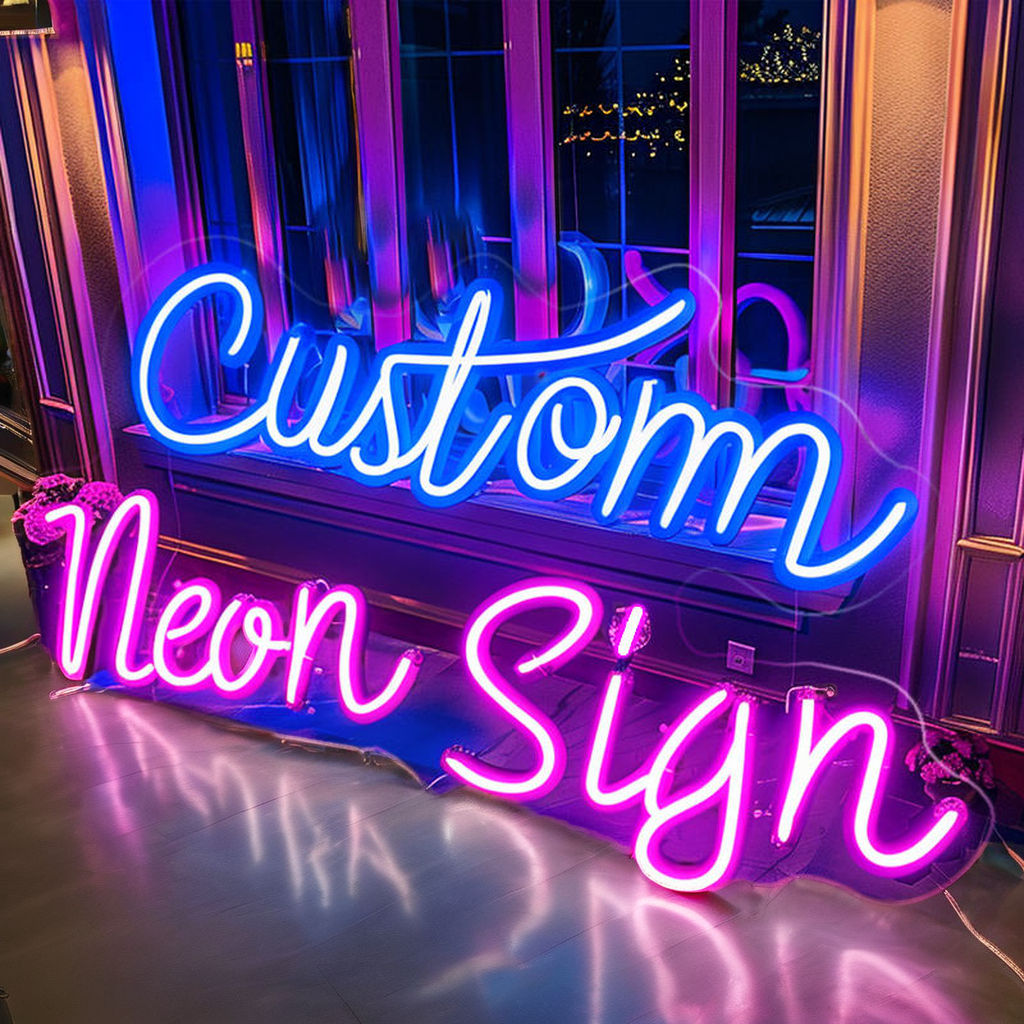
When Size Really Does Matter
Imagine a billboard on Times Square that measures 12,000 square feet—massive enough to cover two basketball courts. This isn't just advertising; it's an outright spectacle, grabbing attention from every passerby regardless of their intent. Large-format printing makes this possible by producing eye-popping visuals on vinyl, mesh, or even fabric, turning entire building facades into brand megaphones.
The Power of Scale in Brand Perception
Brands like Apple and Nike don't rely on subtlety here. They invest heavily in large-format printing because big visuals equal big messages. But beyond sheer size, the technology behind these prints has evolved drastically. For example, HP’s Latex 570 printer can render stunning details at resolutions up to 1200 dpi across a 64-inch width, making each pixel count. The difference between a blurry giant ad and a razor-sharp one is night and day—customers remember crispness more than you realize.
Beyond Billboards: Unexpected Applications
- Vehicle wraps turning city buses into moving billboards
- Interior décor for retail spaces using floor graphics and wall murals
- Event branding like stage backdrops and promotional tents
Take the 2019 Cannes Film Festival as an example. A boutique perfume brand used large-format printing to create immersive scented posters coated with micro-encapsulated fragrance particles—a sensory explosion that no traditional ad could hope to replicate. Who would have thought? Printing meets olfactory marketing!
Technology Meets Creativity
One of the unsung heroes here is AUBAO, a company that’s been quietly innovating in wide-format ink technology for over a decade. Their eco-solvent inks not only offer vibrant colors but also resist UV fading and harsh weather conditions, perfect for outdoor campaigns that need to last months without losing impact.
Why settle for ordinary when your competition is plastering larger-than-life stories all over the urban landscape? It’s almost absurd how some brands still cling to tiny flyers or weak digital ads when a monstrous, brilliantly printed wrap around a skyscraper does the trick so much better! Some colleagues at trade shows joke that if you’re not shouting loud enough visually, you might as well be silent.
Cost Efficiency vs. Impact
A debate rages in marketing circles about whether investing tens of thousands in a colossal print campaign is worth it. But data from a 2022 Nielsen study showed that large-format ads in urban centers increased brand recall by 37% compared to smaller-scale ads. That’s almost double effectiveness per dollar spent.
Consider the case of a mid-sized coffee chain that swapped out traditional bus stop posters for colorful, oversized transit wraps. Over a six-month period, foot traffic to their stores near wrapped routes jumped by 18%, directly correlating with the campaign timeline. AUBAO inks provided durability, ensuring their investment didn't peel off after a rainy week.
Breaking the Mold: Custom Shapes and Textures
Large-format printing isn’t confined to rectangles. Cutting-edge printers now support die-cutting and textured materials, allowing brands to break free from flat, boring surfaces. Imagine a giant foam-textured logo protruding from a storefront or a holographic print shimmering under sunlight—that’s next-level engagement.
Future Trends: Beyond Visuals
Interactivity is creeping in. QR codes seamlessly integrated into large prints are just the start. Projection mapping combined with oversized prints turns static ads into dynamic experiences. Touch-sensitive printed panels could very well be around the corner, blurring lines between print and digital media.
Next time you walk past a massive, vibrant print wrapping a building or bus, think twice before dismissing it as mere decoration. It's a calculated, powerful play in brand storytelling, leveraging scale, texture, technology, and even scent. And somewhere behind those glossy surfaces is probably a little help from the likes of AUBAO, pushing the boundaries of what print can do.