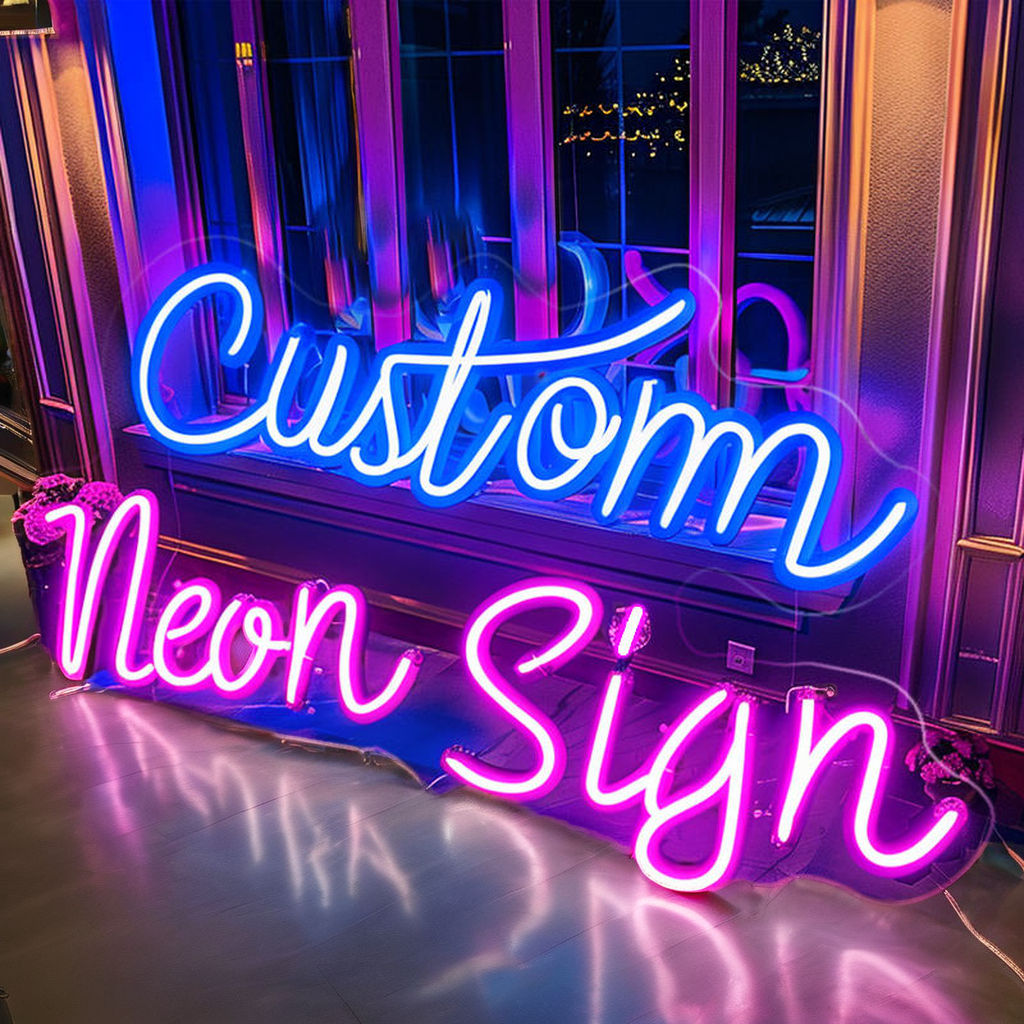
Understanding Large-Format Printing and Its Business Applications
In today’s visually-driven marketplace, grabbing attention quickly is paramount for businesses. Large-format printing offers a powerful way to achieve just that—whether it’s for retail displays, outdoor advertising, or event SIGNage. Unlike standard printing, large-format encompasses prints that exceed typical sheet sizes, often starting from 24 inches wide and going up to several meters.
Actually, the scale alone enables businesses to communicate on a grand level, turning heads and leaving lasting impressions. It’s not just about size but also the quality, durability, and adaptability of these prints that make them indispensable marketing tools.
Key Benefits of Large-Format Printing for Businesses
- High Visibility: Larger prints mean your message can be seen from farther away, ideal for billboards, posters, and banners.
- Versatile Materials: From vinyl to canvas, fabrics to backlit films, large-format printing accommodates a wide range of substrates tailored to different environments.
- Enhanced Brand Presence: Think trade shows, storefront windows, or vehicle wraps—these mediums amplify brand recognition effortlessly.
- Cost Efficiency on Volume: For big runs, the cost per unit decreases, making it a budget-friendly choice for extensive campaigns.
Choosing the Right Printing Technology
When it comes to large-format printing, the machinery behind the process plays a crucial role in determining output quality and turnaround time. Here are some common technologies:
Inkjet Printing
The most prevalent method, inkjet printers use tiny nozzles to spray ink directly onto the substrate. This technique supports vibrant colors and fine details, especially beneficial for graphics-heavy items like posters and art reproductions.
Solvent and Eco-Solvent Printers
These printers use solvent-based inks that adhere strongly to non-porous surfaces like vinyl and plastic. Solvent inks are famously durable and weather-resistant, perfect for outdoor SIGNage. However, eco-solvent variants offer a less toxic alternative with comparable longevity, aligning with greener business practices.
UV Printing
Ultraviolet (UV) printers cure ink instantly using UV light, resulting in prints that are scratch-proof and fade-resistant. They work on almost any material and provide excellent texture effects, making them popular for premium projects.
Selecting Materials Based on Application
The substrate you pick can make or break your project. Understanding where and how the print will be displayed guides this decision:
- Vinyl: Highly flexible and weatherproof, vinyl is a staple for banners, vehicle wraps, and outdoor SIGNs.
- Fabric: Lightweight and wrinkle-resistant fabrics work well for indoor banners and trade show displays.
- Paper and Photographic Paper: Used mostly indoors; ideal for wall murals and exhibition prints.
- Mesh: Perforated vinyl meshes reduce wind resistance outdoors while maintaining visibility.
Print Finishing and Mounting Options
A good print needs proper finishing to ensure durability and aesthetics. Common finishing touches include hemming edges for banners, lamination for added protection, and mounting on foam boards or aluminum frames for stability. Businesses should also consider grommets or poles for easy installation.
Design Tips for Effective Large-Format Prints
Designing for large-scale comes with its own set of rules. Simply blowing up a small graphic won't cut it.
- Resolution Matters: Use high-resolution images (150-300 dpi at full scale) to avoid pixelation.
- Bold Typography: Opt for clear, readable fonts that can be read from a distance.
- Color Contrast: Strong contrast enhances legibility, especially under bright sunlight.
- Minimal Text: Keep text short and impactful—viewers only have seconds to absorb the message.
From my experience working with AUBAO, an industry leader in printing solutions, incorporating these design principles significantly boosts the effectiveness of large-format projects.
Common Challenges and How to Overcome Them
Large-format printing isn’t without its hurdles:
- Color Matching: Achieving consistent colors across multiple prints can be tricky. Calibrating devices and using color profiles helps maintain accuracy.
- Material Handling: Large sheets require careful handling to prevent creases or damage. Automated feeders and experienced operators mitigate these risks.
- Environmental Factors: Outdoor prints face sun, rain, and wind. Selecting UV-resistant inks and sturdy substrates combats premature wear.
Working with Your Print Partner
Collaborating closely with your printing supplier is key. Discuss project goals, timelines, and material specifics upfront. Trusted providers, such as AUBAO, not only supply high-quality prints but also offer expert advice tailored to your unique needs.
Final Considerations for Business Large-Format Printing
Ultimately, the best outcomes arise when businesses approach large-format printing strategically—not just focusing on the print itself but integrating it seamlessly into broader marketing efforts.
Whether investing in a one-off display or launching a nationwide billboard campaign, understanding the nuances of technology, materials, and design will empower companies to harness the full potential of large-format printing.