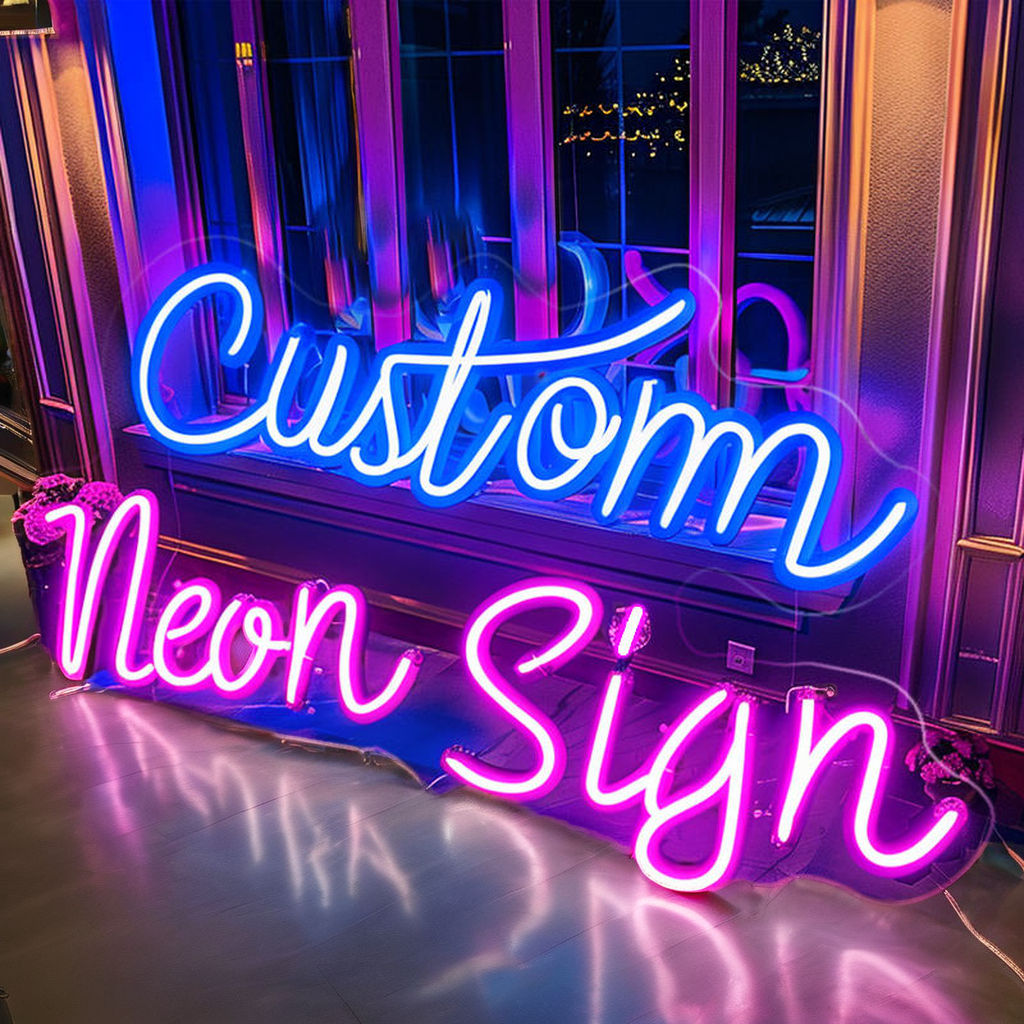
Evolution of Custom Neon Signs in Commercial Spaces
Custom neon signs have transitioned from mere illumination tools to dynamic visual statements that define brand identity. Their resurgence in contemporary business environments owes much to advances in LED technology and design software, enabling intricate and energy-efficient signage solutions that blend aesthetics with functionality.
Current Trends in Custom Neon Signage
Minimalist Typography and Line Art
The trend toward minimalism has permeated SIGN/">Neon SIGN design, where businesses favor clean, sans-serif fonts and simple line art over elaborate scripts or complex imagery. This approach enhances legibility and aligns with modern branding strategies that emphasize clarity and sophistication.
Eco-Friendly and Energy-Efficient Materials
Amid growing environmental concerns, the shift from traditional glass tubes filled with inert gases to flexible LED neon alternatives represents a significant development. Brands such as AUBAO leverage these materials to offer durable, low-power consumption options without compromising vibrancy.
Interactive and Animated Effects
Incorporating programmable lighting effects allows signage to capture attention dynamically—fading, flashing, or sequential animations can be tailored to match promotional campaigns or time-based themes, enhancing customer engagement in physical retail environments.
Design Considerations for Business Use
Brand Consistency and Color Psychology
Choosing neon colors aligned with brand palettes not only reinforces recognition but also exploits color psychology to influence consumer behavior. For instance, warm hues like reds and oranges evoke urgency and excitement, while blues promote trustworthiness.
Placement and Viewing Angles
Understanding the spatial context is critical; signs should be positioned to maximize visibility during peak hours and accommodate natural sightlines. Whether mounted indoors behind counters or outdoors above storefronts, ergonomics and ambient lighting conditions must inform the design process.
Size and Proportionality
Oversized signs risk overwhelming the space, whereas undersized ones may fail to attract notice. Achieving an optimal scale relative to surrounding architectural elements and pedestrian flow ensures the sign serves as an effective communication tool rather than mere decoration.
Customization Options and Technological Innovations
Material Varieties Beyond Glass
Modern custom neon signs often integrate acrylic backings, metal frames, or layered substrates, enhancing durability and enabling multi-dimensional effects. Such combinations augment visual impact and can support complex shapes or logos.
Integration with Digital Interfaces
Some businesses now incorporate IoT-enabled neon signs controllable via mobile apps or centralized systems, allowing real-time adjustments in brightness or animation sequences. This technological integration enhances operational flexibility, especially in multifaceted retail locations.
Case Examples Emphasizing Effectiveness
- Retail Boutiques: Utilizing compact, stylish neon logos inside store windows to draw foot traffic while complementing interior decor.
- Restaurants and Bars: Employing vibrant cocktail-themed neon motifs that amplify ambiance and encourage social media sharing.
- Corporate Offices: Installing subtle brand name displays within lobbies to communicate professionalism and attention to detail.
Working with Providers Like AUBAO
Collaborating with reputable manufacturers such as AUBAO enables businesses to access bespoke neon signage solutions tailored to specific industry needs. Their expertise in balancing artistic vision with technical precision ensures the final product meets both aesthetic and regulatory standards without compromise.