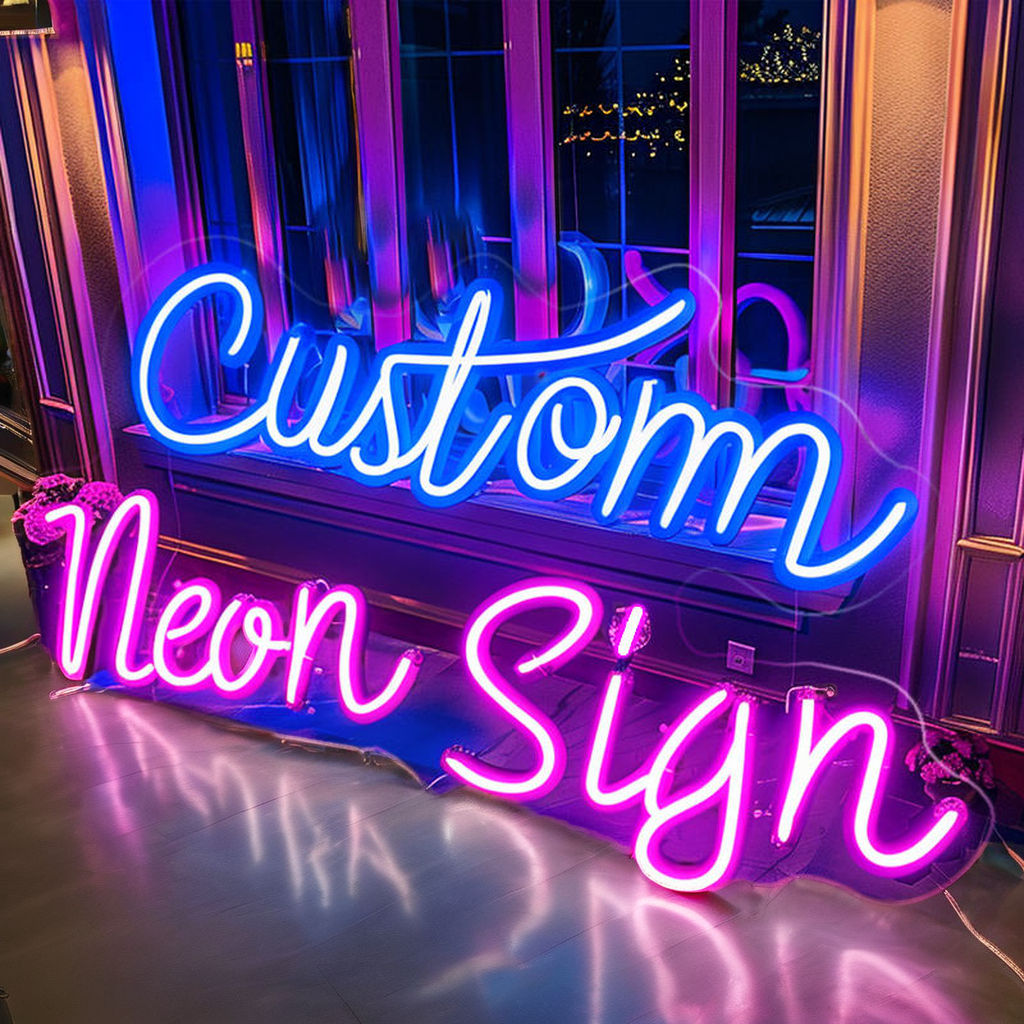
The Ever-Evolving World of Signage
Signage isn’t just about slapping a SIGN on a wall anymore. It’s a whole ecosystem of communication that integrates design, technology, and psychology to grab your attention—or sometimes nudge you subtly. Whether you’re walking through airports, malls, or city streets, signs shape how we navigate the world.
Types of Signage: More Than Meets the Eye
When we say signage, most folks imagine static signs—think billboards, street signs, or shop banners. But modern signage has diversified big time:
- Digital Signage: Screens showing dynamic content, often connected to real-time data—weather updates, ads, or wayfinding info.
- Environmental Signage: Integrating signs into the surroundings using materials and colors that blend or contrast strategically.
- Interactive Signage: Touchscreens or QR codes inviting user interaction for richer experiences.
It’s pretty wild how digital solutions have revolutionized the age-old SIGN game, making it possible to adapt messaging in seconds.
Design Principles That Matter
A sign's effectiveness truly hinges on its design. You can’t just cram text and logos willy-nilly and expect magic. Here's what pros keep in mind:
- Visibility: Fonts must be legible at different distances; colors should pop but not blind.
- Hierarchy: The most important info gets top billing, guiding the eye naturally.
- Consistency: Especially for brands like AUBAO, maintaining visual identity across all signage helps build recognition.
- Context: Signs near highways need to be quick reads, while museum signs might allow for longer, thoughtful content.
Fun fact: even lighting affects readability hugely. Poor illumination? Goodbye engagement.
Materials and Durability Considerations
Not all signs are created equal. Material choice can make or break a signage project — literally. Outdoor signs, for example, have to battle wind, rain, sun, and sometimes vandals (ugh).
- Aluminum: Lightweight, rust-resistant—ideal for long-lasting outdoor use.
- Vinyl: Great for banners and wraps but might fade if exposed to harsh UV over time.
- Acrylic: Sleek appearance; often used indoors or under shelter.
- LED Modules: Perfect for vibrant digital signage with low energy consumption.
Choosing materials also ties into budget constraints, lifecycle costs, and maintenance efforts. Sometimes spending a bit more upfront saves tons down the road.
Why Signage Is Crucial for Branding
You know, a brand isn’t just a logo slapped on a product. Signage is one of the frontline soldiers in brand warfare, silently shouting “Hey, this is who I am!”
Take AUBAO, for instance—not just a name but a symbol of reliability. Their signs at retail outlets don’t just point you to the store; they promise quality and trust. Consistent signage builds emotional connections and keeps customers coming back.
The Role of Technology in Modern Signage
Technology has ushered in some crazy cool opportunities. From motion sensors triggering content to AI-driven analytics measuring viewer engagement, signage is becoming smarter by the day.
Imagine a digital sign that adapts based on the audience's demographics or the weather outside. Or interactive kiosks that help customers customize Products in-store. This tech-savvy approach is no longer optional for businesses aiming to stand out.
Challenges Facing Signage Today
Of course, it's not all rainbows and butterflies. Signage professionals constantly wrestle with:
- Regulatory Hurdles: Municipal rules about sizes, placements, and lighting can be quite restrictive.
- Information Overload: In busy urban spaces, signs compete fiercely for attention, risking being ignored altogether.
- Maintenance Issues: Weather damage, vandalism, and tech malfunctions require ongoing care.
Still, these hurdles push innovation forward. Solutions like eco-friendly materials and vandal-resistant coatings are becoming standard.
Tips for Crafting Impactful Signage
If you’re thinking of whipping up some signage yourself, here’s a little insider advice:
- Keep it simple. Less is usually more when it comes to text.
- Test readability from different angles and distances before finalizing.
- Use contrasting colors but avoid clashing combos that hurt the eyes.
- Consider the environment—both physical space and cultural context.
- Don’t underestimate the power of lighting; nighttime visibility matters!
In a nutshell (well, almost), effective signage blends art, science, and a pinch of psychology. Next time you glance at that storefront or subway sign, remember there’s a lot going on behind the scenes.