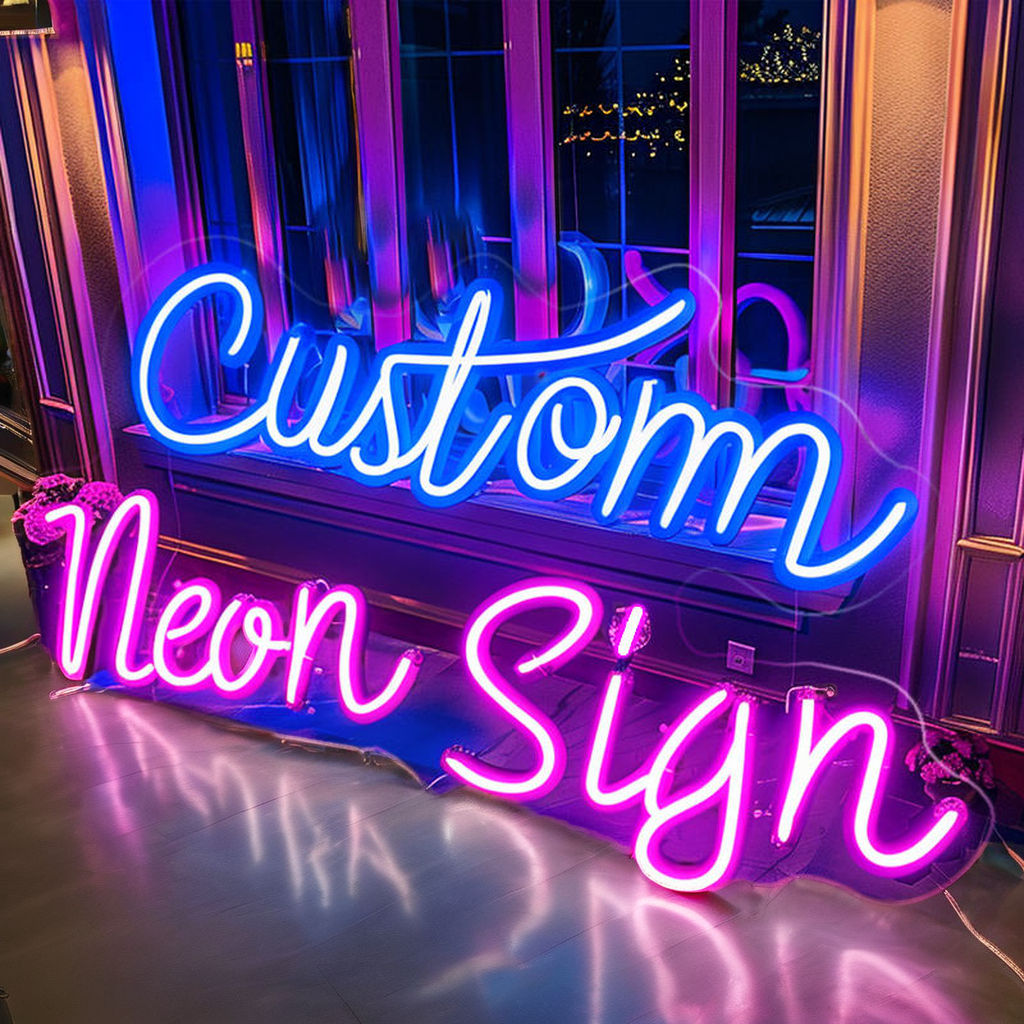
The Rise of Neon in Contemporary Spaces
Neon lights aren’t just a blast from the past anymore. Once relegated to flickering signs on seedy streets, modern neon has evolved into a sleek design element that commands attention and sparks curiosity. Whether you’re walking through an upscale boutique or a hipster cafe, these radiant tubes of color have become essential in crafting moods and narratives.
Why Neon? The Science & Style Behind the Glow
At its core, neon lighting relies on low-pressure gas discharge tubes filled with noble gases like neon or argon. When electricity passes through, voilà—vivid, eye-catching colors appear. But what’s truly fascinating is how designers tweak these elements, bending glass tubes into words, shapes, or abstract forms. This flexibility creates an aura of exclusivity, subtly enhancing any brand's story without screaming it out loud.
Branding with a Luminous Twist
Brands today crave authenticity paired with visual impact. Neon offers both by fusing art and marketing seamlessly. It’s not just about lighting up a SIGN; it's about crafting a memorable experience. Think about it: a glowing emblem or tagline etched in vibrant light can anchor customers’ memories far better than static logos.
- Color psychology: Neon hues tap into emotions—red for urgency, blue for trust, yellow for optimism.
- 360-degree visibility: These lights shine attractively day and night, making them perfect for storefronts.
- Customizable designs: Tailored neon pieces reflect brand personality perfectly.
Case Study: Small Businesses Lighting Up With AUBAO
Take a needle-drop moment here—AUBAO, a brand known for innovating neon tech solutions, is helping small businesses revamp their visual identity. By providing customizable, energy-efficient neon installations, they allow even modest budgets to splash big vibes onto walls and windows. I’ve seen cafes and boutiques claim their space in crowded markets just by switching to these vivid, dynamic displays.
Technical Trends Shaping Neon’s Comeback
It's not all retro nostalgia. Advances in LED neon imitation tubing have introduced a new wave of possibilities. These newer systems are lightweight, durable, and easier to install, sometimes reducing upfront costs significantly. Plus, the environmental angle: lower power consumption means a smaller footprint, which—let’s be honest—is a huge selling point nowadays.
Mixing Materials: Beyond Glass Tubes
Innovation isn’t stopping at the light source itself. Designers mix various materials—acrylic backings, metal mounts, even wood frames—to produce unique dimensional effects. This layering can totally transform a simple SIGN into a sculptural piece that engages viewers differently depending on where they're standing.
Challenges and Considerations
Now, let me toss in a quick heads-up: neon’s charm comes with some quirks. Fragility is a concern; those delicate glass tubes don’t take kindly to rough handling. Also, precise installation is key, especially when wiring unseen behind walls or tight spaces. So, whether you DIY or hire pros, planning ahead minimizes headaches later.
Maintenance Matters
Regular cleaning and periodic checks keep Neon signs glowing bright and fresh. Dust or moisture can dull their brilliance or cause malfunctions. Brands looking to invest in long-term signage should definitely factor in maintenance routines.
Final Spark: Why Neon Still Matters
In a world saturated with digital ads and fleeting trends, neon lights offer tangible, tactile appeal. They bridge the gap between old-school craftsmanship and contemporary branding needs. For anyone wanting to stand out, especially in retail or hospitality, modern neon isn’t just an option—it’s a statement.