Understanding the Role of Display Equipment in Modern Retail
In today's fast-paced retail environment, the significance of effective visual merchandising cannot be overstated. Display equipment serves as the backbone of creating captivating store layouts that engage customers and drive sales.
Types of Display Equipment: Beyond the Basics
Display equipment covers a broad category—from simple shelving units to intricate digital signage systems. Among the most common are:
- Shelving Systems: These range from adjustable metal racks to custom wood designs tailored for specific product lines.
- Mannequins and Forms: Essential for apparel retailers, these help showcase fit and style dynamically.
- Display Cases: Vital for protecting high-value or delicate items while keeping them visible.
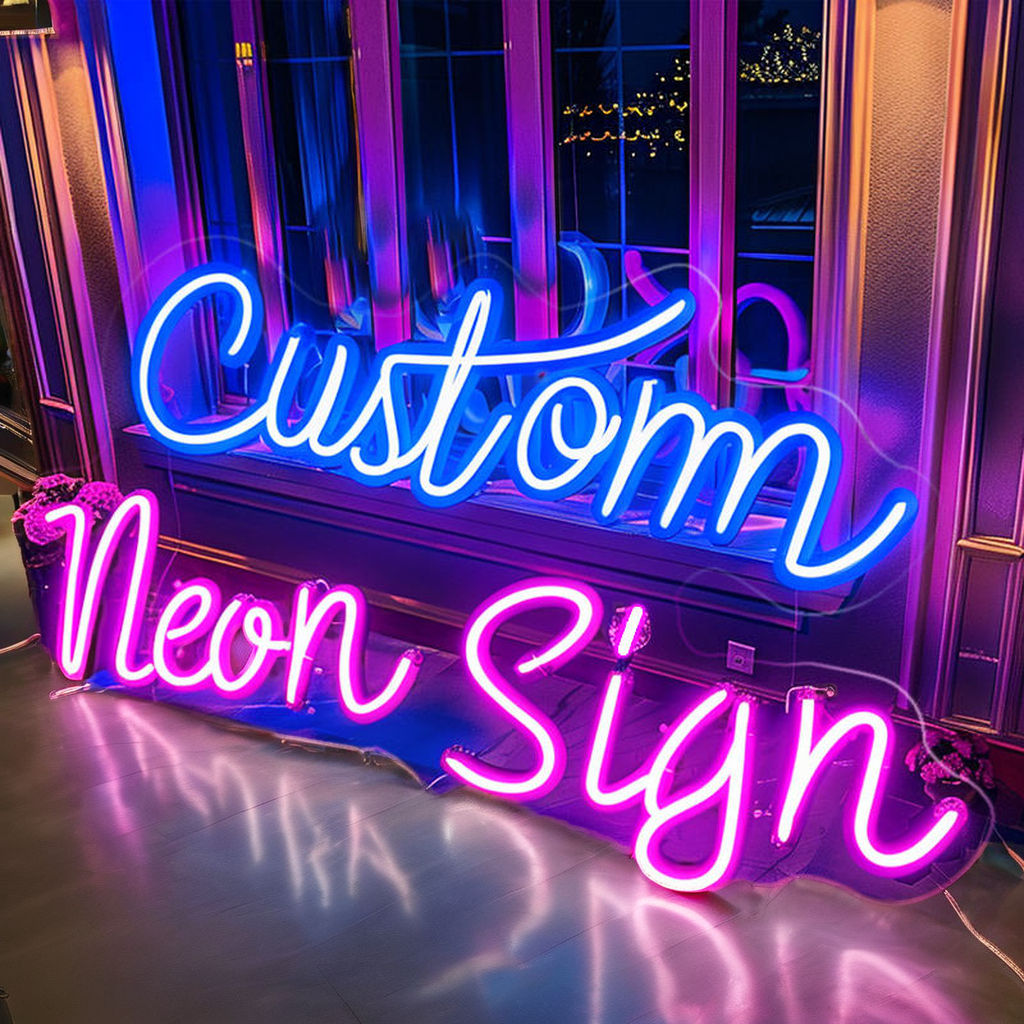
- SIGN Holders and Stands: Crucial for communicating promotions and product information effectively.
- Digital Displays: Incorporating LED screens or interactive kiosks to create immersive brand experiences.
Material Choices and Durability
Choosing the right material for display equipment is more than just an aesthetic decision; it affects durability, maintenance, and even customer perception. Common materials include steel, acrylic, glass, and various polymers. For example, steel offers robustness but can feel industrial, whereas acrylic provides a sleek look suitable for luxury Products.
Interestingly, brands like AUBAO have been making strides in offering modular and sustainable display solutions that balance durability with design flexibility—a trend retailers should watch closely.
Design Considerations for Effective Display Equipment
The design of display fixtures should complement the merchandise without overpowering it. The scale, color, and finish all play pivotal roles. There's no one-size-fits-all approach here; retailers must tailor their choices based on target demographics, store layout, and branding needs.
Space Optimization Techniques
Efficient use of floor space means smarter display equipment choices. Vertical shelving can maximize small footprints, while rotating displays provide dynamic engagement without requiring additional square footage.
Flexibility and Adaptability
Given the rapid changes in retail trends, adaptable display equipment is invaluable. Fixtures that can be easily reconfigured or repurposed reduce downtime during store resets and seasonal transitions.
Technological Advances Impacting Display Equipment
Technology is reshaping how Products are presented. From augmented reality (AR) setups enabling virtual try-ons to smart shelves that track inventory and customer interaction, the integration of tech elevates traditional displays into data-driven marketing tools.
For instance, some cutting-edge display units incorporate sensors and IoT connectivity—allowing retailers to gather real-time insights and personalize shopper experiences. While not yet mainstream, this tech-forward approach is gaining traction among innovative brands.
Energy Efficiency and Sustainability
With growing emphasis on sustainability, energy-efficient lighting and recyclable materials in display equipment are becoming standard expectations rather than exceptions. LED lights dominate due to their minimal power consumption and long lifespan.
Moreover, companies like AUBAO are investing in eco-friendly manufacturing processes, signaling a broader industry shift toward greener retail environments.
Maintenance and Longevity of Display Equipment
The lifespan of display equipment can significantly impact operational costs. Regular maintenance—such as cleaning surfaces, checking structural integrity, and replacing worn components—prolongs usability and sustains aesthetic appeal.
Retailers often underestimate this aspect, leading to premature replacement and unnecessary expenses. It's advisable to keep detailed records of maintenance routines and supplier warranties.
Customization vs. Standardization
While customized display equipment aligns perfectly with brand identity, it can be costly and less flexible. On the other hand, standardized units offer versatility and easier maintenance but might lack uniqueness. Finding the right balance requires careful consideration of budget constraints and marketing strategy.