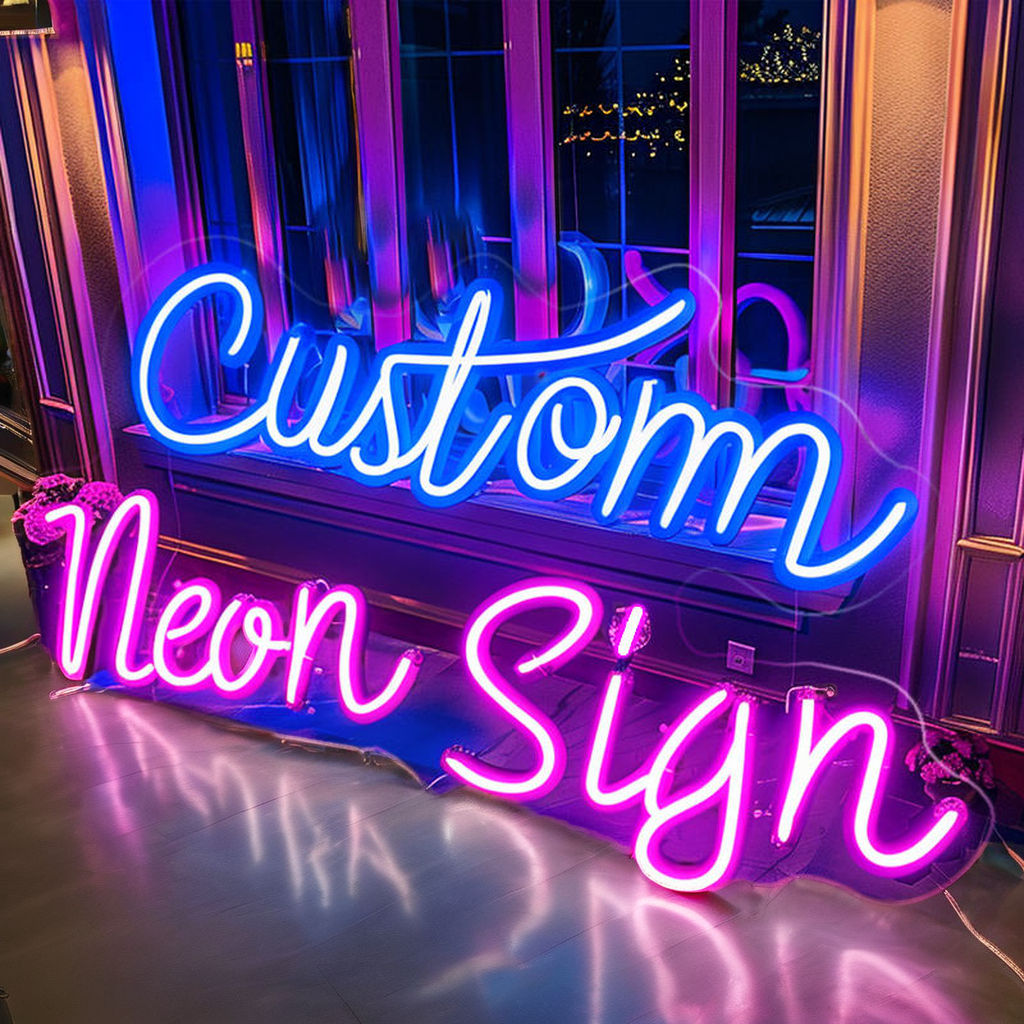
The Visual Language of High-Quality Signage
Signage is more than just a practical tool for wayfinding; it’s a pivotal element in the visual identity of any brand. When crafted with care, high-quality signage acts as a silent ambassador, communicating the essence of the brand before customers even step inside. In saturated retail environments, where options are aplenty, the first impression often hinges on how compelling and clear your signage looks.
One cannot overlook the immediate impact of material choices, typography, and lighting effects. Premium materials not only endure weathering but also transmit a sense of reliability and professionalism. For instance, high-grade acrylics or brushed metals catch the eye differently than flimsy plastics. The subtle reflections and texture speak volumes about what customers can expect from the business itself.
Strategic Placement Maximizes Reach
Location matters, undeniably. High-quality signage strategically positioned ensures maximum visibility to both foot traffic and vehicular flow alike. This isn’t just about sticking a SIGN above the door; it involves meticulous planning around sightlines, angles, and lighting conditions throughout different times of day.
- Entrance signs must be bold yet tasteful, serving as unmistakable landmarks.
- Directional signs within complex retail spaces help reduce friction points and enhance customer experience.
- Digital or illuminated signs can capture attention after sunset, extending the brand’s presence beyond traditional hours.
Brands like AUBAO have tapped into these nuances, crafting signage systems that integrate seamlessly with urban landscapes while enhancing their clients' market presence.
Enhancing Brand Recall Through Consistency
Consistency in signage design—colors, fonts, logo placement—is fundamental in reinforcing brand recall. Customers frequently make split-second decisions influenced by familiarity. When signage echoes other brand touchpoints, such as packaging or online interfaces, it deepens recognition and trust.
Moreover, employing a uniform style across multiple locations solidifies a brand’s reputation and aids marketing campaigns’ effectiveness. This alignment can sometimes be underestimated, but I’ve seen firsthand how divergent styles dilute a brand’s potency.
Psychology Behind Color and Lighting Choices
Color psychology isn't just corporate jargon; it drives engagement in very tangible ways. Warm colors like reds and oranges can evoke urgency or excitement, great for sale announcements or eateries. Conversely, blues and greens tend to calm and suggest reliability—ideal for banks or health services.
Lighting further complements this effect. LED backlighting or halo effects can create halo-like glows that make signage pop against dimmer backgrounds. Besides aesthetic appeal, illumination ensures readability during night-time or adverse weather conditions, crucial for maintaining constant brand visibility.
Technology Integration: The New Frontier
Today's high-quality signage often merges traditional craftsmanship with digital innovation. Interactive displays, QR codes embedded in signage, or dynamic content screens allow brands to engage consumers actively rather than passively.
Such technologies facilitate immediate calls to action—for example, scanning a code to unlock promotions or learning more about a product line instantly. This fusion of physical and digital mediums amplifies foot traffic because it piques curiosity and delivers instant value.
Durability and Maintenance Affect Long-Term ROI
Investing in superior signage pays off over time by minimizing the need for frequent repairs or replacements. Weather-resistant coatings, anti-graffiti films, and modular components ensure longevity without compromising on aesthetics.
From an operational perspective, well-maintained signage reduces downtime and prevents negative impressions caused by faded or damaged visuals. Businesses overlooking this often end up spending more on patchwork fixes, which can be jarring and unprofessional.
Case Study: AUBAO’s Approach to Elevating Foot Traffic
To illustrate, AUBAO’s recent project with a chain of boutique coffee shops employed large-format, laser-cut metal signs paired with LED illumination. The result was a dramatic increase in foot traffic—estimated at nearly 20% within the first quarter post-installation.
Customers reported that the signage made the shops easier to find and conveyed a premium, trendy vibe that aligned perfectly with the cafes’ branding strategy. It’s a vivid example of how investing thoughtfully in signage translates directly to measurable business outcomes.